
Optimal Timing for Asphalt Sealings
Proper timing is essential for effective asphalt sealings. The optimal period depends on climate conditions, asphalt condition, and usage patterns. Typically, sealings are most effective when applied during moderate temperatures and dry weather to ensure proper adhesion and curing.
Spring offers moderate temperatures and less rainfall, making it suitable for asphalt sealings. It helps protect the pavement before the high summer heat and heavy traffic.
Sealing during early summer is possible if temperatures are consistently warm and dry. Avoid sealing during peak heat to prevent premature drying or cracking.
Fall is ideal in regions with mild temperatures and low precipitation. It prepares the asphalt for winter conditions, reducing damage from freeze-thaw cycles.
Winter sealing is generally discouraged due to low temperatures and high moisture levels, which hinder proper curing and adhesion.
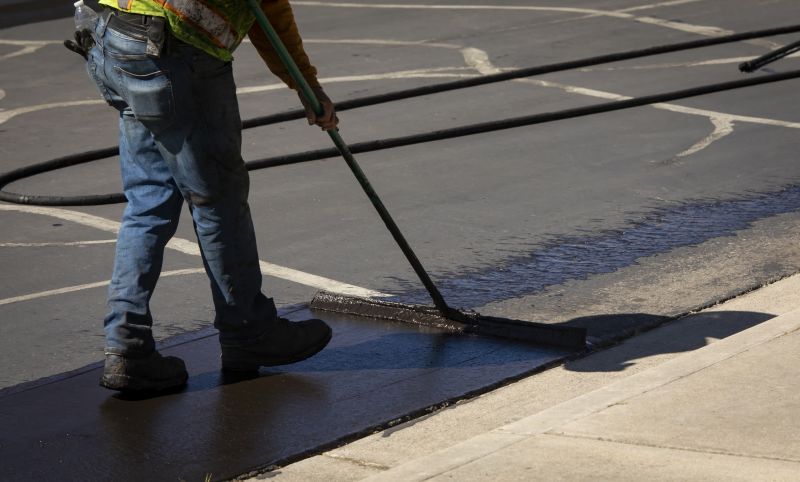
Springtime application ensures protection during the warmer months and before winter.
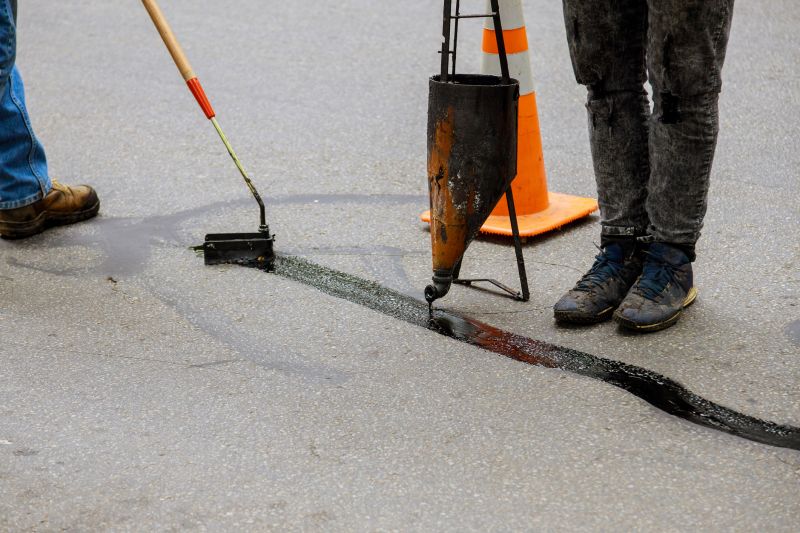
Early summer sealing can be effective if weather conditions are stable.
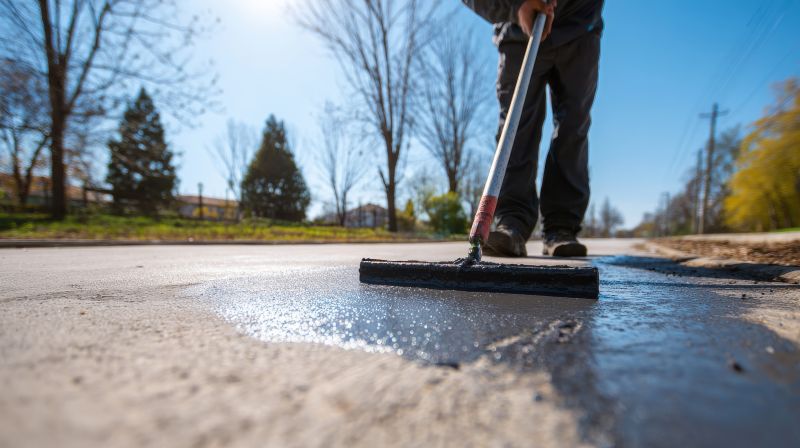
Applying sealings in fall helps safeguard asphalt from winter damage.
Ways to make Asphalt Sealings work in tight or awkward layouts.
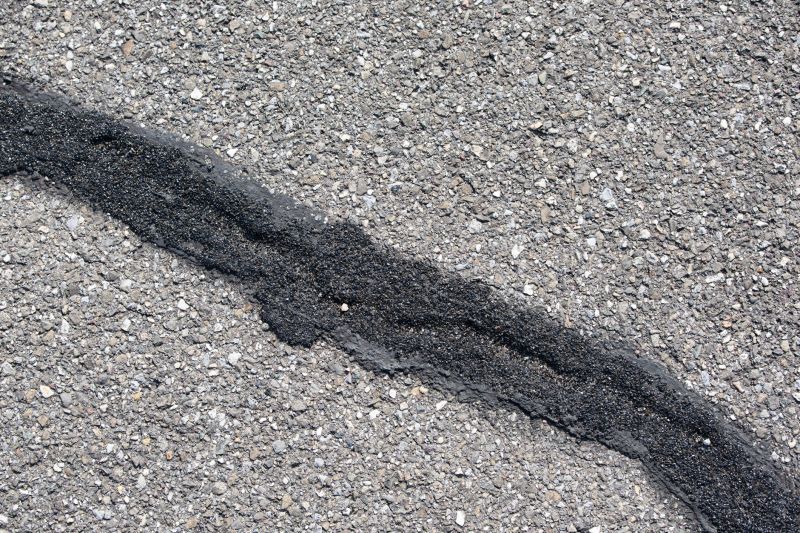
Popular materials for Asphalt Sealings and why they hold up over time.
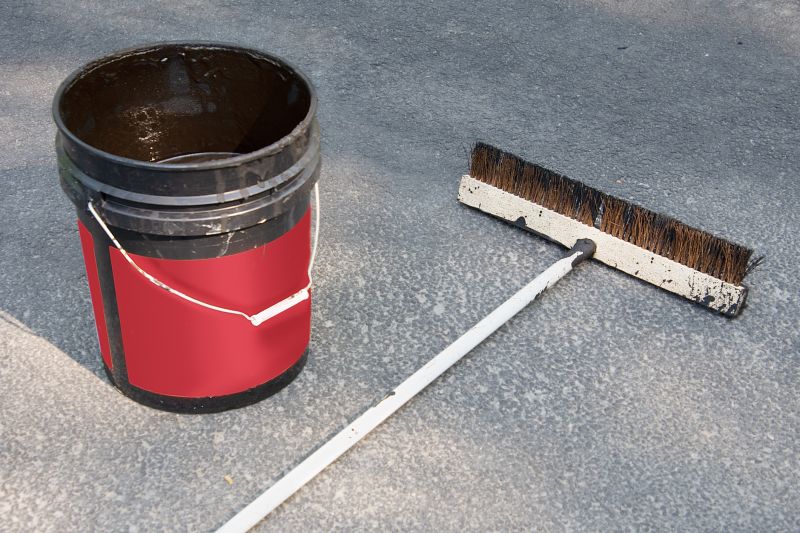
Simple add-ons that improve Asphalt Sealings without blowing the budget.
| Season | Ideal Conditions |
|---|---|
| Spring | Moderate temperatures, low rainfall |
| Summer | Warm and dry, early season only |
| Fall | Mild temperatures, dry weather |
| Winter | Not recommended due to low temperatures |
Asphalt sealings serve as a protective barrier that extends the lifespan of pavement surfaces. They help prevent water infiltration, reduce cracking, and improve appearance. Regular sealing can significantly delay the need for costly repairs, especially in climates with seasonal temperature fluctuations.
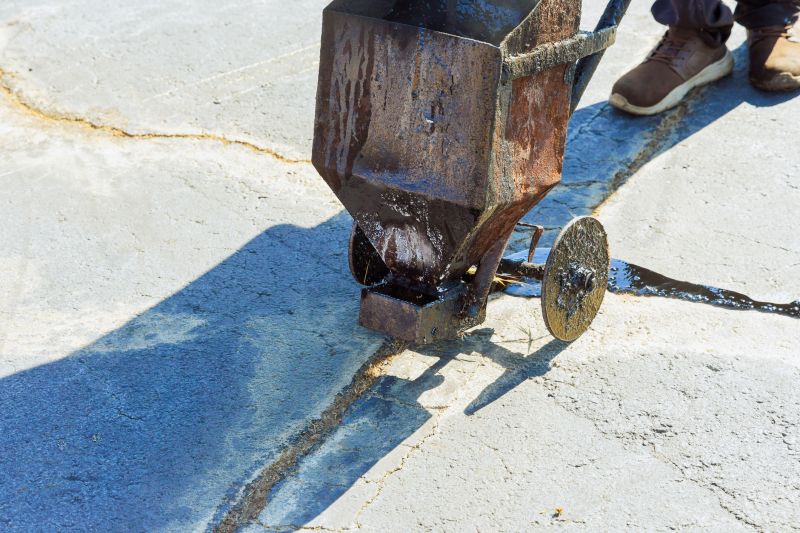
Application involves cleaning the surface and evenly spreading the sealant to form a protective layer.
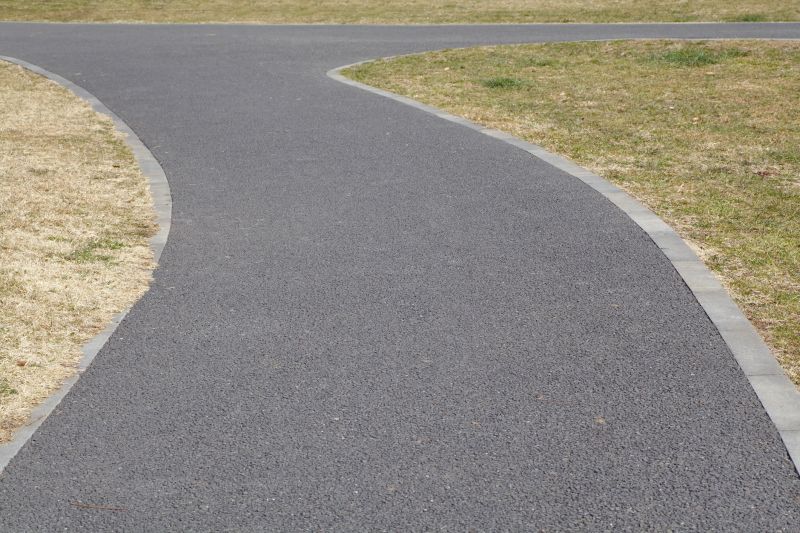
Ideal conditions include dry weather and temperatures between 50-85°F.
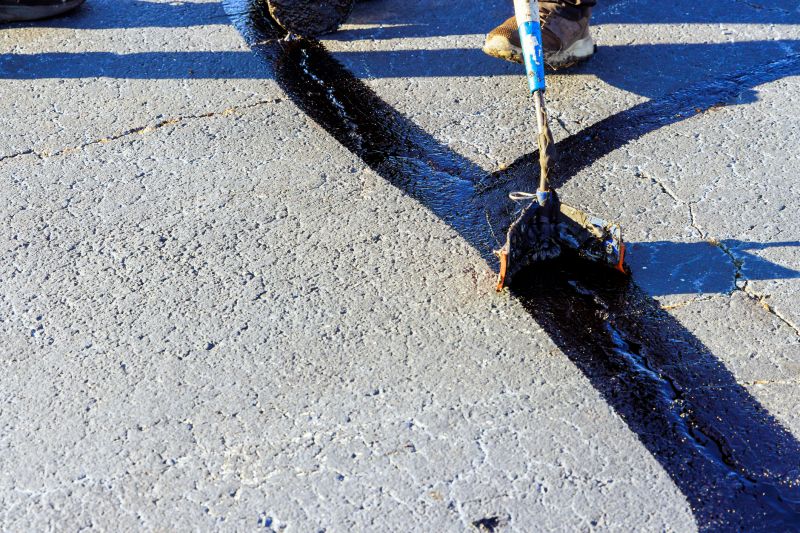
Enhances durability, appearance, and resistance to weather damage.
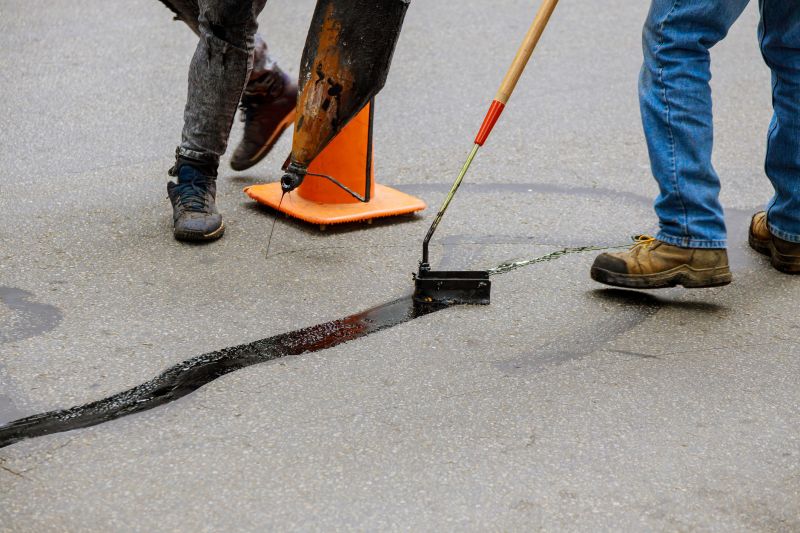
Sealing is recommended every 2-3 years for optimal protection.
Interested property owners in Scottsdale seeking to maximize pavement longevity should consider scheduling asphalt sealings during the most suitable seasons. Proper timing ensures the best adhesion and durability, making it a worthwhile investment for long-term pavement health.